Master Guitar Basics Online Effortlessly: Learn Guitar Online with Confidence
- Jake Paul
- Apr 6
- 5 min read

Picking up the guitar for the first time can feel like standing at the foot of a mountain. I remember that feeling all too well—the strings seemed like a tangled web, and my fingers just wouldn’t cooperate. But here’s the thing: learning guitar basics online doesn’t have to be a struggle. In fact, it can be a lifeline, a way to reclaim calm, focus, and joy when life feels overwhelming. I’m here to share how you can master guitar basics online effortlessly, even if you’ve never touched a guitar before or feel like your past struggles hold you back.
Why Learn Guitar Online? My Personal Journey
When I first started learning guitar, I was in a dark place—recovering from trauma, battling PTSD, and trying to break free from addiction. The guitar became more than just an instrument; it was a tool for healing. Learning guitar online gave me the flexibility I needed. No pressure, no judgment, just me and my guitar in the quiet of my home.
Learning guitar online means you can:
Set your own pace without feeling rushed or compared to others.
Access lessons anytime, fitting practice around your busy schedule.
Choose from a variety of teaching styles until you find what clicks.
Avoid the anxiety of in-person lessons, which can sometimes feel intimidating.
If you’re juggling work, family, and the weight of your own expectations, online learning can be a gentle, practical way to start. It’s not about perfection; it’s about progress.
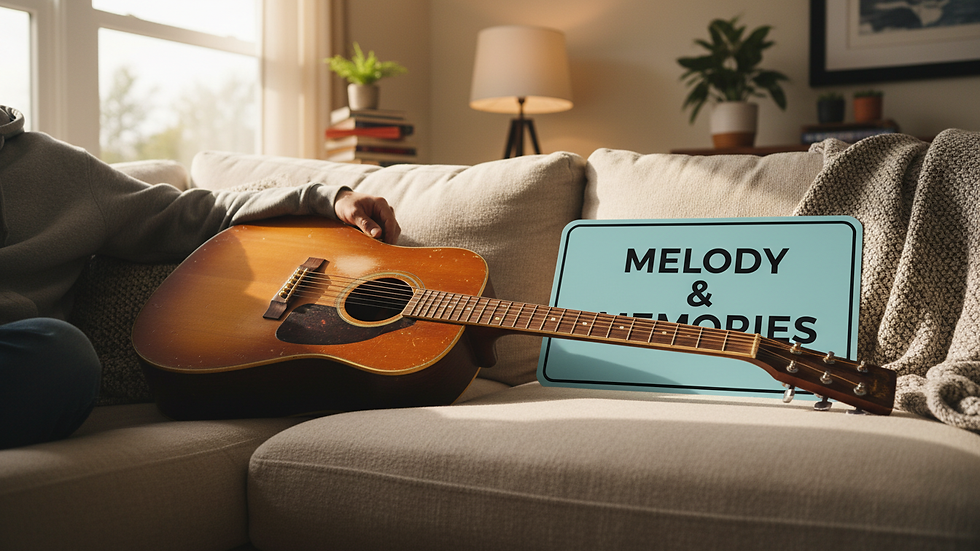
How to Learn Guitar Online Without Overwhelm
Starting something new can feel like opening a floodgate of information. Where do you begin? What if you don’t have time? Here’s what helped me stay grounded and make real progress:
1. Start Small and Simple
Focus on the basics: holding the guitar, tuning it, and learning a few simple chords. Don’t rush to play complex songs. Celebrate small wins like switching between two chords smoothly or strumming a simple rhythm.
2. Use Structured Online Resources
There are plenty of online platforms that break down lessons into bite-sized chunks. Look for courses that emphasize fundamentals and build gradually. I found that following a clear path helped me avoid feeling lost.
3. Practice Consistently, Not Perfectly
Even 10 minutes a day can make a difference. Consistency beats marathon sessions that leave you frustrated. Set a daily reminder, and treat your practice like a small appointment with yourself.
4. Combine Guitar with Breathwork
This might sound unusual, but pairing guitar practice with simple breath exercises helped me regulate my nervous system. When anxiety creeps in, deep breathing calms the mind, making it easier to focus on learning.
5. Join Online Communities
Connecting with others who are learning can be motivating. Share your progress, ask questions, and celebrate milestones. It’s a reminder you’re not alone on this journey.
If you want a straightforward place to start, check out this easy guitar online resource that helped me build a solid foundation without overwhelm.
What is the 10,000 Hour Rule for Guitar?
You’ve probably heard about the 10,000 hour rule—the idea that mastering any skill takes roughly 10,000 hours of practice. It sounds daunting, right? But here’s the truth: you don’t need to clock 10,000 hours to enjoy playing guitar or to see real benefits.
The 10,000 hour rule is more about mastery at a professional level. For us, the goal is different. It’s about:
Finding joy in the process.
Using guitar as a tool to calm the mind and body.
Building confidence one chord at a time.
Think of it like learning to ride a bike. You don’t need to be a Tour de France champion to enjoy the ride or to feel the wind on your face. The same goes for guitar. Even a few weeks of consistent practice can bring noticeable improvements and a sense of accomplishment.
So, instead of fixating on hours, focus on quality practice and presence. When you’re fully engaged, even 10 minutes can feel like a breakthrough.

Practical Tips to Make Learning Guitar Online Work for You
I want to share some practical tips that helped me stay on track and actually enjoy the process:
Set Realistic Goals
Learn 3 new chords this week.
Practice chord transitions for 5 minutes daily.
Play a simple song by the end of the month.
Create a Dedicated Practice Space
Even a small corner with your guitar, a music stand, and a notebook can make practice feel special. It signals to your brain that this is your time.
Use Technology to Your Advantage
Metronomes help with timing.
Tuning apps keep your guitar sounding great.
Video lessons let you pause and rewind as needed.
Record Yourself
It might feel awkward at first, but recording your practice sessions lets you track progress and notice improvements you might miss in the moment.
Be Kind to Yourself
Mistakes are part of learning. When your fingers fumble or a chord sounds off, remind yourself this is normal. Celebrate the effort, not just the outcome.
How Guitar Can Help Regulate Your Nervous System
This is where my story gets personal. Guitar playing isn’t just about music; it’s a powerful way to regulate the nervous system. When I was struggling with PTSD and addiction, I found that the physical act of playing—feeling the strings, focusing on rhythm—helped ground me.
Here’s why guitar works as a calming tool:
Rhythm and Breath: Strumming patterns naturally sync with breathing, encouraging slower, deeper breaths.
Focus and Mindfulness: Concentrating on chords pulls your mind away from anxious thoughts.
Physical Engagement: Using your hands and fingers activates different parts of the brain, promoting relaxation.
Creative Expression: Music lets you express emotions that words can’t capture.
If you’re looking for a practical, science-backed way to reduce stress and improve your emotional regulation, guitar is a surprisingly effective tool. It’s not about becoming a rock star; it’s about reclaiming control over your reactions and finding moments of peace.
Taking the First Step Today
If you’ve read this far, you’re already on the path. Remember, learning guitar basics online is not about perfection or speed. It’s about showing up for yourself, one chord at a time. You don’t need to be a natural musician or have hours to spare. You just need a willingness to try.
Here’s a simple plan to get started:
Find a beginner-friendly online course or tutorial.
Set aside 10 minutes a day for practice.
Pair your practice with deep breathing exercises.
Celebrate every small victory.
Reach out to an online community for support.
The guitar can be your companion on the journey to better emotional health, better sleep, and better relationships. It helped me, and I believe it can help you too.

Learning guitar online is more than just picking up a new skill. It’s a way to reconnect with yourself, regulate your nervous system, and build confidence that spills over into every part of your life. So why wait? Grab your guitar, take a deep breath, and start your journey today. You’ve got this.


Comments